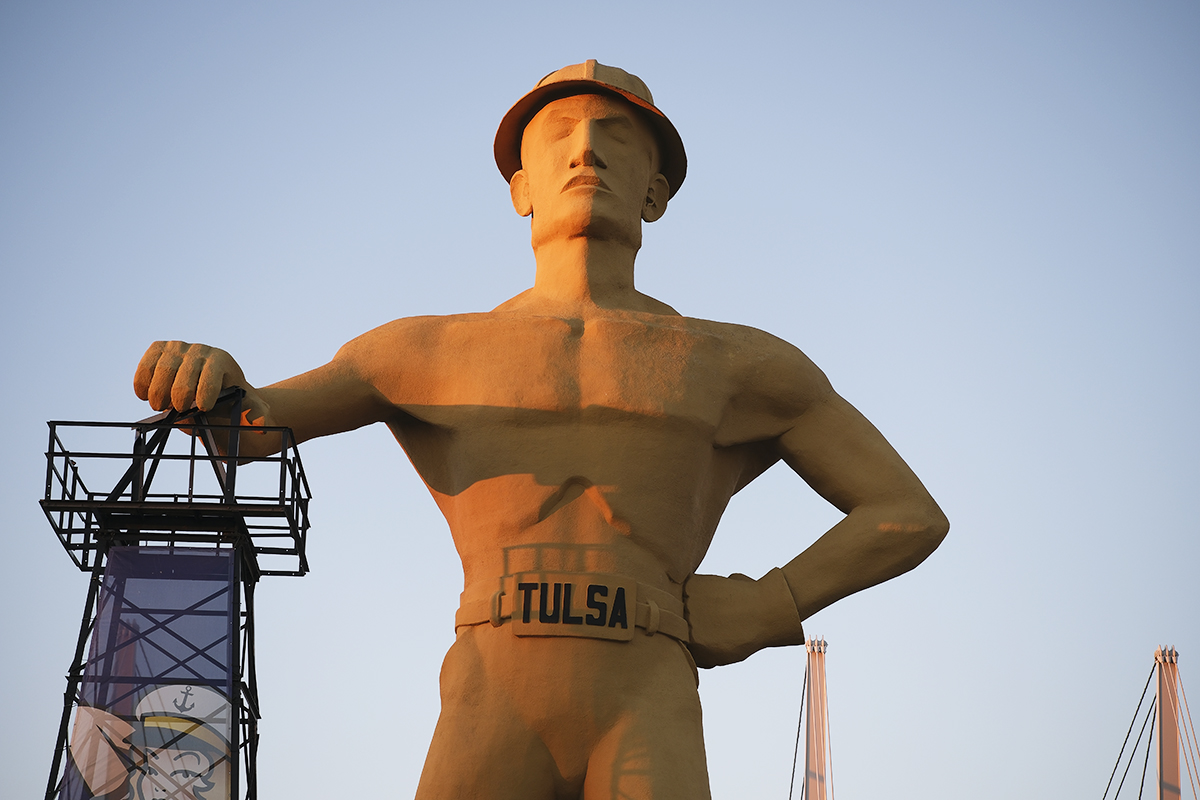
Rising high above the Tulsa skyline, the Golden Driller remains one of Oklahoma’s most iconic landmarks and one of the tallest statues in the United States. Standing 76 feet tall at Expo Square, it immediately captures the attention of passersby while representing the resilience and determination that shaped a city built on the oil industry. With one hand gripping an oil derrick and the other resting firmly on its hip, the statue conveys both strength and confidence. Tulsa’s identity, however, was not always defined by its skyline or modern attractions. In the early 20th century, the city surged into national prominence during a major oil boom, rapidly evolving into a center of industry, growth, and opportunity.

The Golden Driller was built to honor Tulsa’s rich oil heritage. Originally constructed in 1952 for the International Petroleum Exposition, it recognized the hardworking “roughnecks” who fueled the city’s rapid growth during the oil boom. Rebuilt in 1966, the statue now stands as a lasting tribute to those whose labor helped shape not only Tulsa but the nation. Standing beneath the massive figure, visitors cannot help but feel its scale – even the driller boots tower over those standing below it. Yet the statue’s significance goes beyond its size. Designed to represent an everyday oil worker rather than an idealized figure, it reflects the grit and determination of the people who built the city through hard work and perseverance.
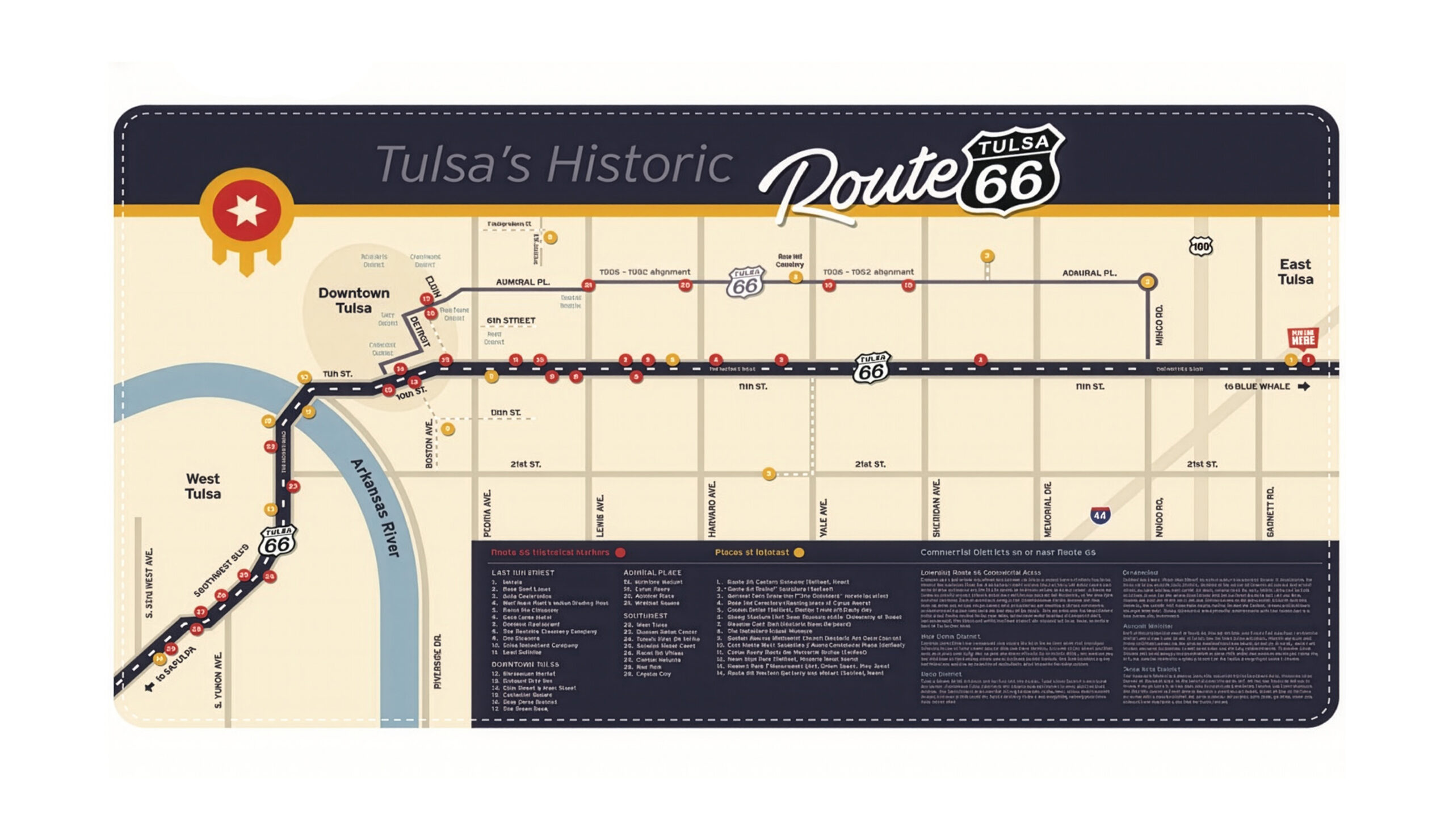
Today, the Golden Driller remains a powerful symbol of Tulsa’s identity. Located along historic Route 66 at Expo Square, it connects the city’s oil legacy with the broader story of American travel and culture. It also serves as a popular gathering place, drawing visitors who come to take photos and reflect on Tulsa’s past and present. Whether arriving in Tulsa on a road trip or simply exploring the city, the Golden Driller often leaves a lasting first impression. What began as a tribute to the oil industry has grown into a powerful symbol of community pride. The landmark continues to stand as a reflection of Tulsa’s history, representing the ambition, resilience, and determination that built the city.

Although Tulsa has moved beyond its beginnings as an oil capital, the Golden Driller remains a lasting presence—powerful, resilient, and impossible to miss. It serves not only as a tribute to the past but also as a symbol of the determination and drive that shaped the city into what it is today. As industries have evolved and the skyline has changed, the statue continues to connect Tulsa to its origins, reminding both residents and visitors of the dedication and ambition that built its foundation.