Route 66, otherwise known as U. S. Highway 66, is something more than a strip of asphalt. It is a cultural icon ingrained in the American narrative.
Conceived in the early years of the 20th century, this fabled road connected Chicago to Santa Monica and symbolized movement, the American Dream, and the vast extent of the continent. Its historical importance goes beyond just transporting people: eras of mass migration, post-war prosperity, and the development of the roadside commerce industry all find a common home in it.
The current celebration of this heritage, often expressed through “Road Fest” events, seeks to preserve and honor the spirit of this iconic highway, attracting enthusiasts eager to taste its golden age.
The concept of a coherent cross-country highway system gained momentum in the 1920s, driven by the automobile’s burgeoning popularity. Route 66 was officially established in 1926, performing the valuable service of bypassing numerous older, poorly maintained roads. Initially, it served vital economic functions, particularly in moving agricultural goods from the West to the East. However, during the Great Depression, its true ascent into legendary status began.
Throughout the 1930s, thousands of destitute farmers and families, popularly known as “Okies,” traveled west along Route 66 in search of work in California. This mass movement, immortalized in John Steinbeck’s novel, “The Grapes of Wrath,” sealed Route 66’s identity as the “Main Street of America” and the “Mother Road.” It was a desperate, yet hopeful, passage toward opportunity.
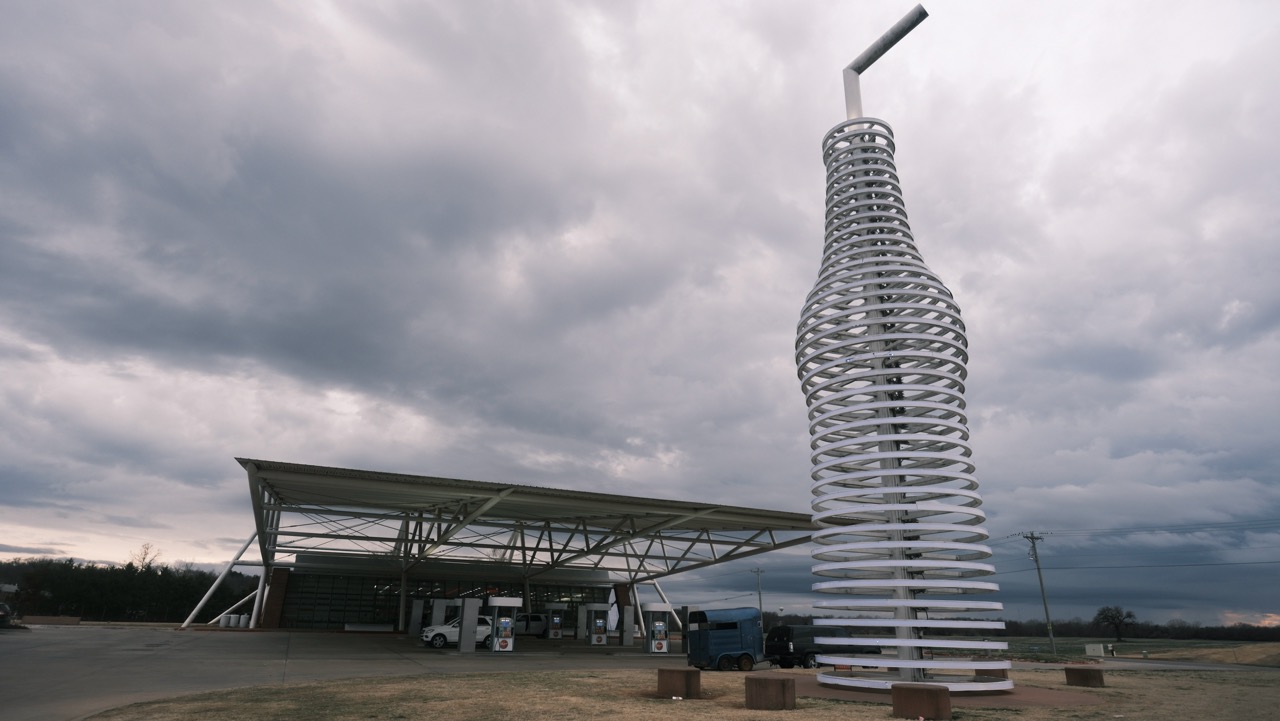
After World War II, America entered an economic boom, and a gasoline-fueled explosion in leisure travel followed. Route 66 became the primary vacation corridor. A peculiarly American roadside culture blossomed in this era: diners, motels, gas stations, and novelty tourist attractions popped up to feed the on-stream of travelers. Commercially, these establishments, with their distinctive neon signs and vernacular architecture, became part of the road’s intrigue.
By the 1960s, the primacy of Route 66 began to decline as federal highway planning prioritized efficiency and speed. The passage of the Federal-Aid Highway Act of 1956 initiated the construction of the modern Interstate Highway System, designed to bypass smaller towns and local traffic congestion. As sections of Route 66 were superseded by interstates like I-40, I-44, and I-55, many of the businesses that depended on the traffic withered, and eventually, the road was officially decommissioned in 1985.
Despite officially ending, the nostalgia surrounding the route sparked major preservation efforts. Recognizing this as part of its historical heritage, various states and grassroots organizations began to protect remaining segments, historic markers, and surviving architecture. Those transitions from a utilitarian road to a heritage tourism destination began to take place.

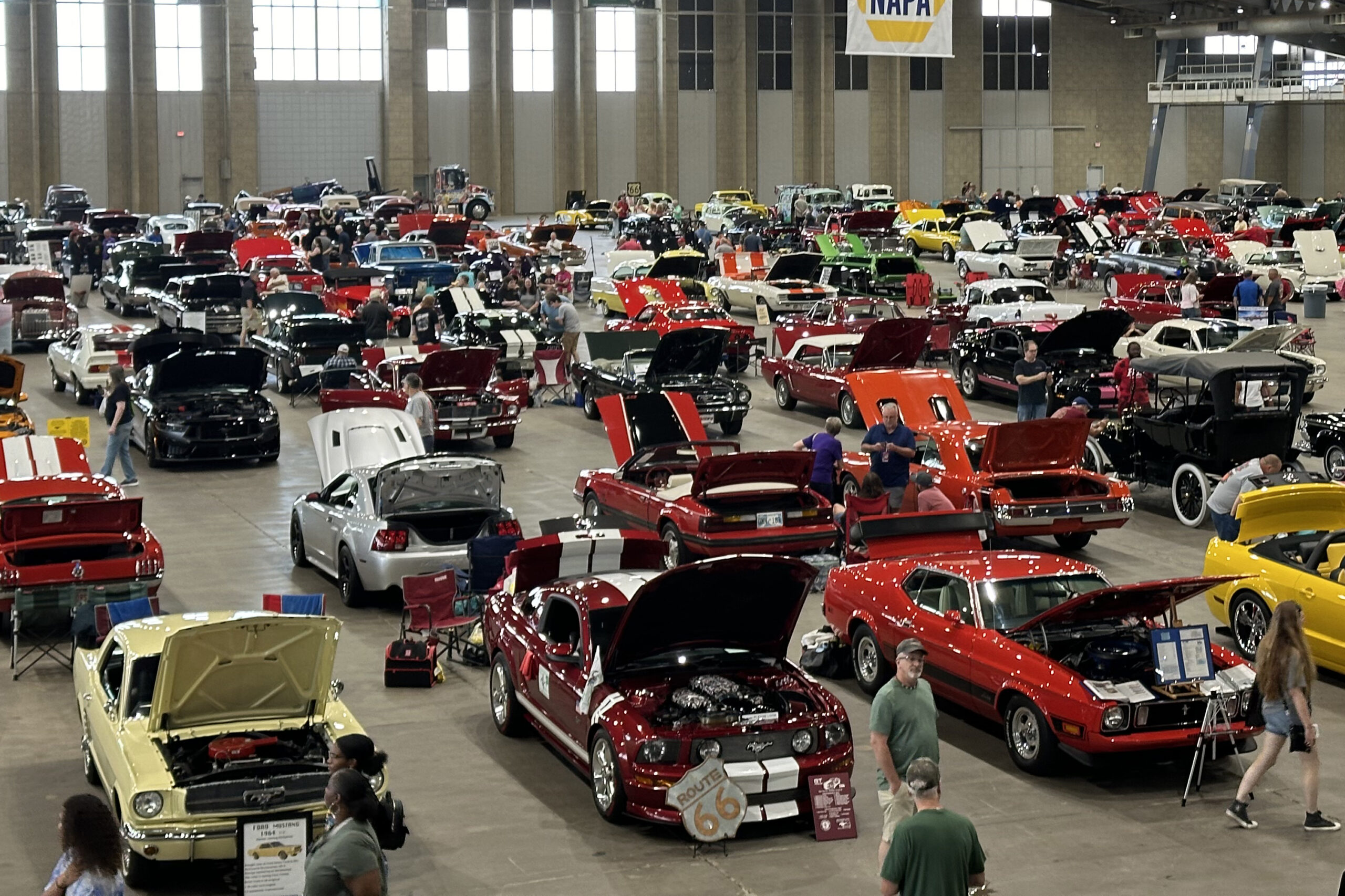
Route 66 Road Fest, or similar heritage celebrations held in various towns along the route, is a modern phenomenon that keeps the spirit of the road alive. Most often, the events include classic car shows, live music evocative of the mid-century era, historical reenactments, and tours of preserved landmarks.
“I love the car shows the most,” says Chaing Benjamin, a local in Tulsa.
Festivals such as those in Tulsa, Okla., or Springfield, Ill., attract thousands of people and bring significant tourism dollars into the smaller communities lining the old highway. These festivals serve several functions.
Academically, they serve as living history exhibits, through which present generations can make tangible contact with the past. Commercially, they underpin the small businesses that have invested in rehabilitating historical motels and diners along the remaining alignments. They celebrate the architecture, the music, and the shared experience of mid-20th-century American travel, ensuring that the cultural legacy transcends the road’s practical obsolescence.
A symbol of American grit and perspiration, economic change, and the eternal charm of the open road, Route 66 is nothing if not complex. From its beginnings as an essential conduit for goods and people in the Depression Era, through its heyday as the nation’s hard roadmap to fun, to its present role as a beloved milestone in America’s cultural heritage, this road offers a story as intertwined with those of 20th-century America as any thread in a tapestry.
All celebrations of events, such as the Route 66 Road Fest, make this Mother Road a living link to one of the most formative periods in American history and desire.
For more information about the Road Fest in Tulsa, visit https://route66roadfest.com/
References
AAA Route 66 Road Fest. (2026). https://route66roadfest.com/
Route 66 Road Ahead Partnership. (2026). https://www.route66centennial.org/

(Photo by Sam Levrault / TCC Connection.)